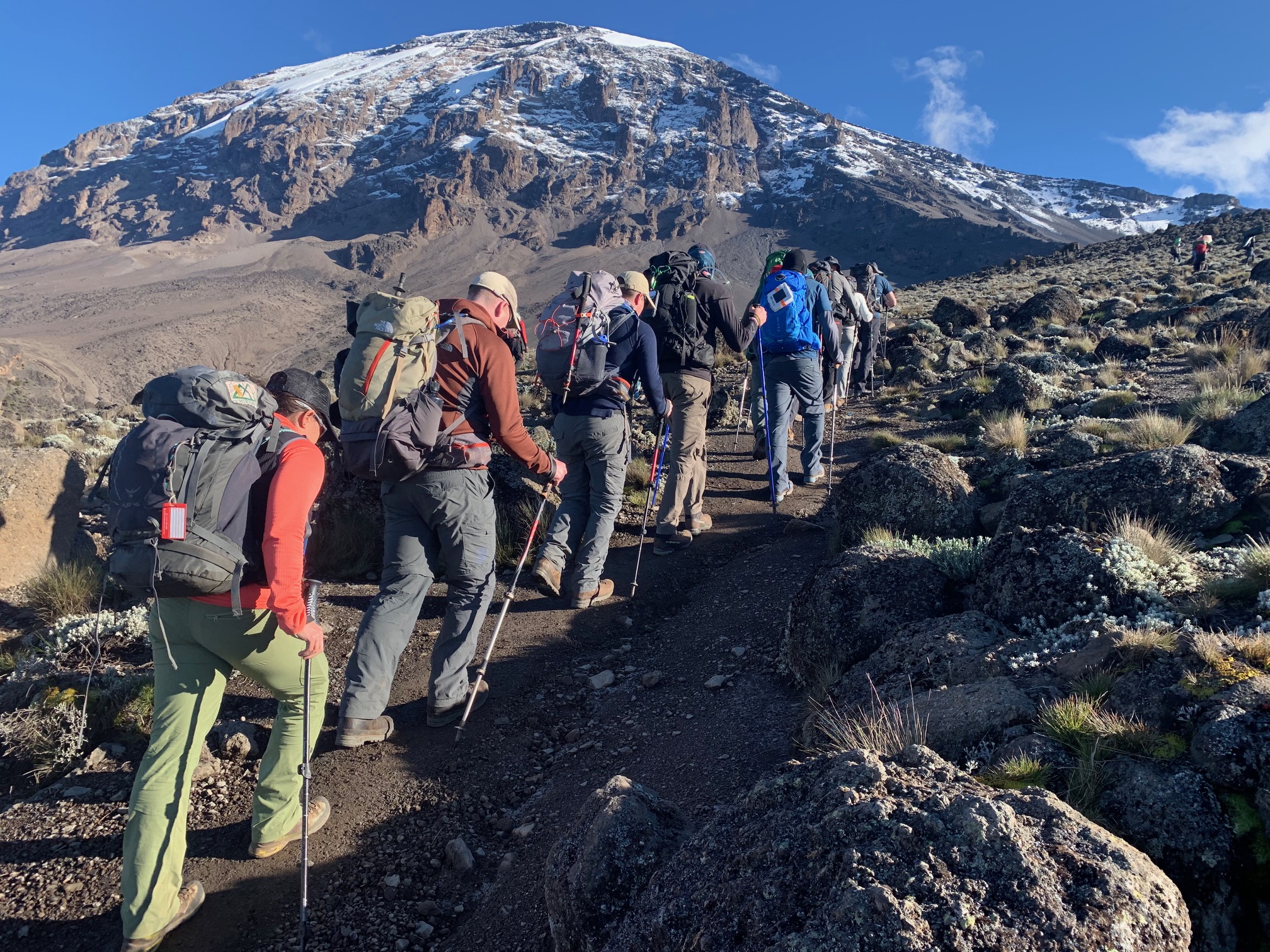
Conquering Africa’s highest peak, Mount Kilimanjaro, may seem like a Herculean task, but is it really that grueling? With its summit standing at 19,341 feet, the allure of Kilimanjaro attracts around 30,000 climbers each year. Surprisingly, it’s one of the few large mountains where no technical climbing gear is necessary.
Climbing Kilimanjaro is challenging primarily due to its high altitude. The ascent spans various climate zones, making acclimatization tricky. According to the Kilimanjaro National Park, around 40% of climbers reach the summit, highlighting the importance of preparation and determination.
Climbing Kilimanjaro: How Hard Is It Really?
Climbing Mount Kilimanjaro is no small feat. The mountain stands at 19,341 feet, making it the highest peak in Africa. The air gets thinner the higher you go, which makes breathing harder. But surprisingly, you don’t need technical climbing skills. Many people with good physical fitness can reach the summit.
The journey offers different routes, each with its own challenges. The Marangu Route is known as the “Coca-Cola Route” for its relative comfort. Other routes like the Lemosho and Machame are more demanding but offer stunning views. It’s important to choose a path that matches your fitness level. This decision can significantly impact your experience.
Altitude sickness is a real concern. The higher you climb, the less oxygen there is. To combat this, climbers need to go slowly and allow their bodies time to adjust. Drinking lots of water and taking rest days can really help. Some people also use medication to lessen the symptoms.
Preparation is key to a successful climb. You have to train your body for the tough conditions you’ll face. Strength and endurance exercises are a must. Packing the right gear, like warm clothing and good boots, is essential. Knowing what to expect can make your climb more enjoyable and safer.
Factors That Influence the Difficulty Level
One major factor that influences the difficulty of climbing Kilimanjaro is the route you choose. Each route varies in length, scenery, and level of difficulty. The Marangu Route is often considered the easiest, while the Umbwe Route is the steepest and most challenging. The choice of route can impact how comfortable and successful your climb will be.
Another critical factor is altitude sickness. The higher you go, the less oxygen there is, making it harder for your body to function. Symptoms like headaches, nausea, and dizziness can strike. To avoid altitude sickness, climbers must acclimatize properly. This means spending extra time at certain elevations to let your body adjust.
Weather conditions also play a significant role. Kilimanjaro has five different climate zones, from rainforest to arctic. Weather can be unpredictable, with temperature swings and sudden storms. Climbers must be prepared for all types of weather. Packing the right gear is essential for a safe climb.
Physical fitness is another crucial factor. Climbing Kilimanjaro requires stamina and strength. Training months before the climb can make a big difference. Cardiovascular exercises, strength training, and long hikes with a weighted backpack are highly recommended. This physical preparation helps your body cope with the demands of the climb.
The Importance of Acclimatization on Mount Kilimanjaro
Acclimatization is crucial when climbing Mount Kilimanjaro because of the high altitude. Without proper acclimatization, climbers are at risk of altitude sickness. Headaches, nausea, and fatigue are common symptoms. By allowing your body to adjust slowly, you can reduce these risks. Spending extra days on the mountain can make a significant difference.
One highly recommended method for acclimatization is the “climb high, sleep low” technique. This means you climb to a higher altitude during the day but return to a lower altitude to sleep. This strategy helps your body adapt to the lower oxygen levels. Many climbers follow this technique to increase their chance of reaching the summit.
Acclimatization also involves staying well-hydrated and eating properly. Drinking plenty of fluids helps your body adjust to the altitude. Balanced meals provide the energy needed for the climb. Dehydration and poor nutrition can worsen altitude sickness. Remember to drink water regularly and eat nutritious foods.
Finally, listening to your body is essential. If you feel symptoms of altitude sickness, it may be necessary to descend to a lower altitude. Ignoring symptoms can lead to serious health issues. Being aware of how your body is responding and taking breaks when needed can help ensure a safer climb. Following these acclimatization tips increases your chances of reaching the summit successfully.
Preparation Tips from Sirikwa Travel for Climbing Kilimanjaro
At Sirikwa Travel, we believe that thorough preparation is key to a successful climb. Start with a solid training plan at least three months before your trip. Focus on building your endurance with cardio exercises like running or cycling. Strength training, especially for your legs and core, is equally important. Regular hikes with a loaded backpack will also help your body get used to carrying weight.
Choosing the right gear can make or break your experience. Essential items include warm clothing, a good-quality sleeping bag, and sturdy hiking boots. Layers are crucial to tackle the changing weather conditions on the mountain. Don’t forget items like hats, gloves, and multiple pairs of socks. Your comfort and safety depend on having the right gear.
Nutrition and hydration play a vital role in your climb. Eating balanced meals rich in carbs, proteins, and fats will provide your body with the energy it needs. Drinking plenty of water is essential to stay hydrated. Bring snacks like nuts, dried fruits, and energy bars for quick boosts. Proper nutrition and hydration will help your body cope with the altitude.
It’s also important to familiarize yourself with the symptoms of altitude sickness. Being aware of these symptoms can help you act quickly if they arise. Common signs include headaches, dizziness, and shortness of breath. If symptoms worsen, don’t ignore them. Descending to a lower altitude might be necessary for your safety.
Finally, mental preparation is just as crucial as physical training. Climbing Kilimanjaro is a demanding experience that requires mental toughness and determination. Prepare mentally by setting realistic goals and visualizing your journey. Stay positive and remember why you embarked on this adventure in the first place. A strong mindset can make a huge difference.
Key Takeaways
- Climbing Kilimanjaro requires good physical fitness and mental toughness.
- The high altitude makes proper acclimatization crucial.
- Different routes offer varying levels of difficulty and scenery.
- Preparation includes training, packing right gear, and staying hydrated.
- No technical climbing skills are needed for the ascent.